.png)
In pursuit of the high | Dopamine Got You Here. Meet Dynorphin

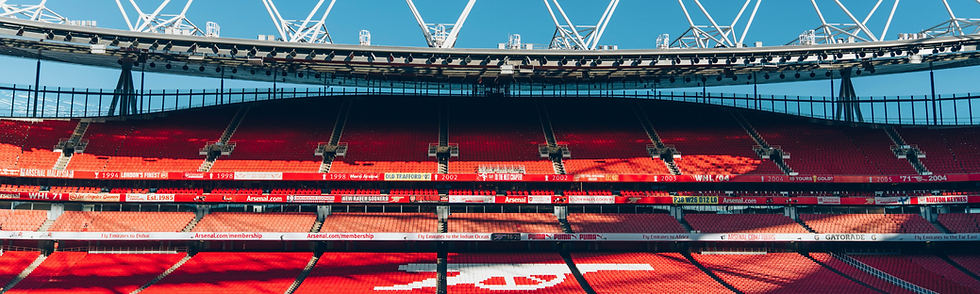
Arsenal have ended a 22 year wait for the Premier League title. Their fans are full of euphoria and feeling great. The relief that the pressure is off, and something in their eyes that is long overdue has been achieved. A couple of weeks ago the club I support Charlton Athletic had a different kind of success, avoiding relegation from the Championship.
Both examples generate the pursuit of something and whilst their outcomes are different and let’s be honest a league apart, they have one thing very much in common, their ability to generate those feel-good feelings we experience when pursuing something we want.
That's dopamine at work.
Yet not long after the outcome is achieved, we will find that we get a dip. That's not ingratitude. That's not weakness. That's a less well-known neurotransmitter in play, dynorphin. Understanding the relationship between dopamine and dynorphin might be one of the most useful things you can do for your performance and wellbeing.
Lots is written about Dopamine. Fewer people have heard of its counterpart
Dopamine is widely described as one of the pleasure chemicals. That's not quite right. It's more accurately the anticipation and seeking neurotransmitter. It's released in the pursuit of reward, which is why the build-up often feels more intense than the moment itself. Arsenal fans enduring three consecutive runners-up finishes, each near-miss stoking the anticipation further.
But here's what most people don't know.
Every dopamine spike generates a counterbalancing response. The brain doesn't like being out of equilibrium. When dopamine rises, a neurotransmitter called dynorphin is simultaneously released to restore balance. Dynorphin binds to the brain's kappa opioid receptors and produces the opposite experience, dysphoria, flatness, a quiet sense that something is missing. It's the neuroscience of the comedown. Not the dramatic crash. The ordinary, unremarkable flatness that follows something you've been anticipating.
Watch what happens next
Within days the conversation among Arsenal fans will shift. The Champions League final against PSG is already on the horizon. Next season's title defence. The question of whether this squad can sustain it. The goalposts move, not because fans are ungrateful or insatiable, but because the brain has recalibrated. The see-saw has tilted. The dopamine baseline has reset upward. What produced euphoria yesterday produces nothing today, because today it's expected.
The situation described above is something that gets referred to as the hedonic treadmill, a term first coined by psychologists Philip Brickman and Donald Campbell. We adapt to our rewards. We need more to feel the same. And in the absence of the next hit, the dynorphin side of the see-saw makes itself felt.
I noticed it with Charlton's survival. The relief was genuine and real. And then, within a week, I found myself thinking about next season. Whether we'd strengthen the squad. Whether we'd be in the same position again. The gratitude was still there, but the feeling had gone.
This isn't just about football
The same neuroscience plays out everywhere. In another sport, Jonny Wilkinson who kicked the famous 2003 Rugby World cup winning goal, describes eloquently how something he has waited his whole rugby life for left him feeling down quickly. He explained, “that final was my Hollywood ending. I walked into the sunset after that game, the credits came up and the next morning I woke up and could not have felt more empty...”. Damn.
The professional who hits their annual target and feels flat within a week. The leader who gets the promotion they've worked toward for years and wonders why it doesn't feel the way they imagined. The entrepreneur who closes the deal and immediately starts worrying about the next one. The person who buys the thing, achieves the thing, reaches the thing and finds themselves back where they started emotionally, faster than they expected.
Same see-saw. Same dopamine. Same dynorphin. Same recalibrating brain.
This is not a character flaw. It is not ingratitude. It is not a sign that you need more ambition or less ambition. It is biology doing exactly what biology does. Being able to recognise this can help us decode our habits and behaviours.
So what do you do with this?
First, name it. When the flatness comes after the achievement, recognise it for what it is. Dynorphin doing its job. It will pass. You don't need to chase the next hit immediately to make it stop.
Second, notice the goalposts moving. When your brain starts recalibrating upward needing more to feel the same, that's the moment to pause. Ask yourself whether the next goal is genuinely what you want or whether it's the see-saw talking.
Third, build sources of reward that are less prone to spike and crash. The key difference with intrinsic sources is that they aren't dependent on external outcomes, which means the brain doesn't experience the same sharp anticipation peak that triggers such a dramatic dynorphin response. The satisfaction of living in alignment with your values. The self-belief that comes from knowing the effort you put in. The sense of contribution to something you genuinely care about. These produce a steadier, more sustainable neurochemical response, less dramatic than some dopamine hits, but far more durable.
The research is consistent here. External rewards, results determined by other people or circumstances are prone to produce the sharpest dopamine spikes and the hardest dynorphin responses. Internal rewards, generated from within, independent of outcome, produce something quieter and more lasting.
Congratulations Arsenal
Enjoy every moment of it. You've earned it. Just know that the flatness coming isn't a problem to fix. It's the see-saw finding its level. And knowing that, really knowing it, is the beginning of a more sustainable relationship with success.
For Charlton fans? We'll be back here again next May. Same see-saw. Different emotional flavour. One I hope that is fuelled by promotion to take on Arsenal in the 2027/28 season.
Damian Piper CBE is a performance, productivity and resilience coach. He works with people who are capable of more but keep getting in their own way. You can find more at effectivechallenge.com


Comments